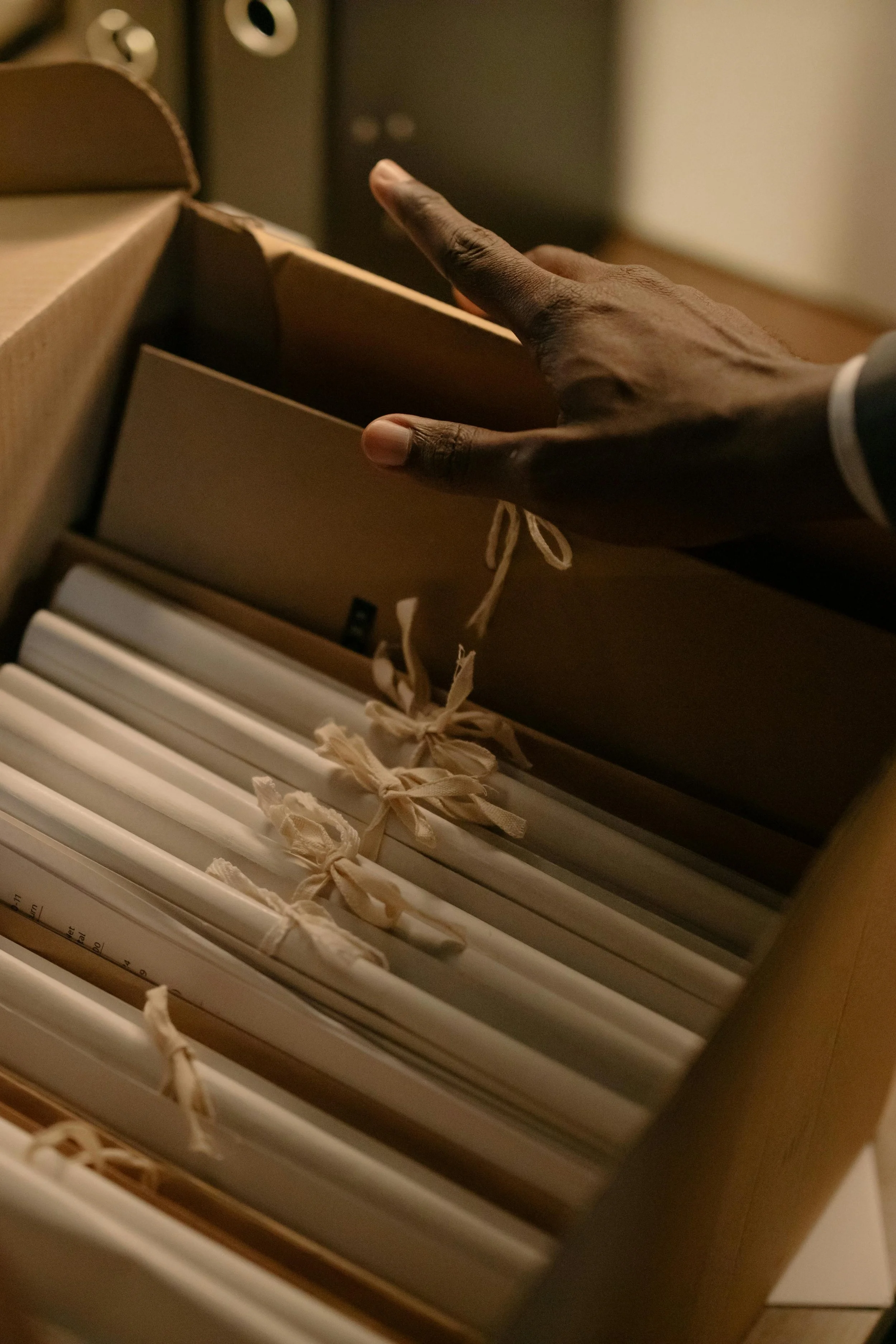



Archival Disaster Response and Recovery Plans

Archival Disaster Response and Recovery Plans

The inherent fragility of archival materials makes them especially vulnerable to damage during disasters. To ensure the safety and preservation of these collections, archives must develop a comprehensive disaster response and recovery plan tailored to their unique needs. A well-crafted plan mitigates risks, safeguards materials, and guides staff in responding to emergencies. 

Leveraging Digital Humanities for Research

Leveraging Digital Humanities for Research

The digital revolution has transformed nearly every aspect of modern life, including how we communicate, work, create, and remember. For scholars in the humanities, this shift presents both challenges and opportunities. How do we preserve cultural heritage in an age of rapid technological change? How do we interpret an overwhelming abundance of digital records? How can new tools help us ask fresh questions of old sources?

Unlocking Oral History Sources for Research

Unlocking Oral History Sources for Research

When we think of history, we often imagine official records, government documents, or published books. However, much of the human experience never makes it into formal archives. Memories, personal stories, and lived experiences are essential parts of history, but they often remain undocumented unless someone takes the time to record them. That is the role of oral history.

Developing Research through Visual Evidence

Developing Research through Visual Evidence

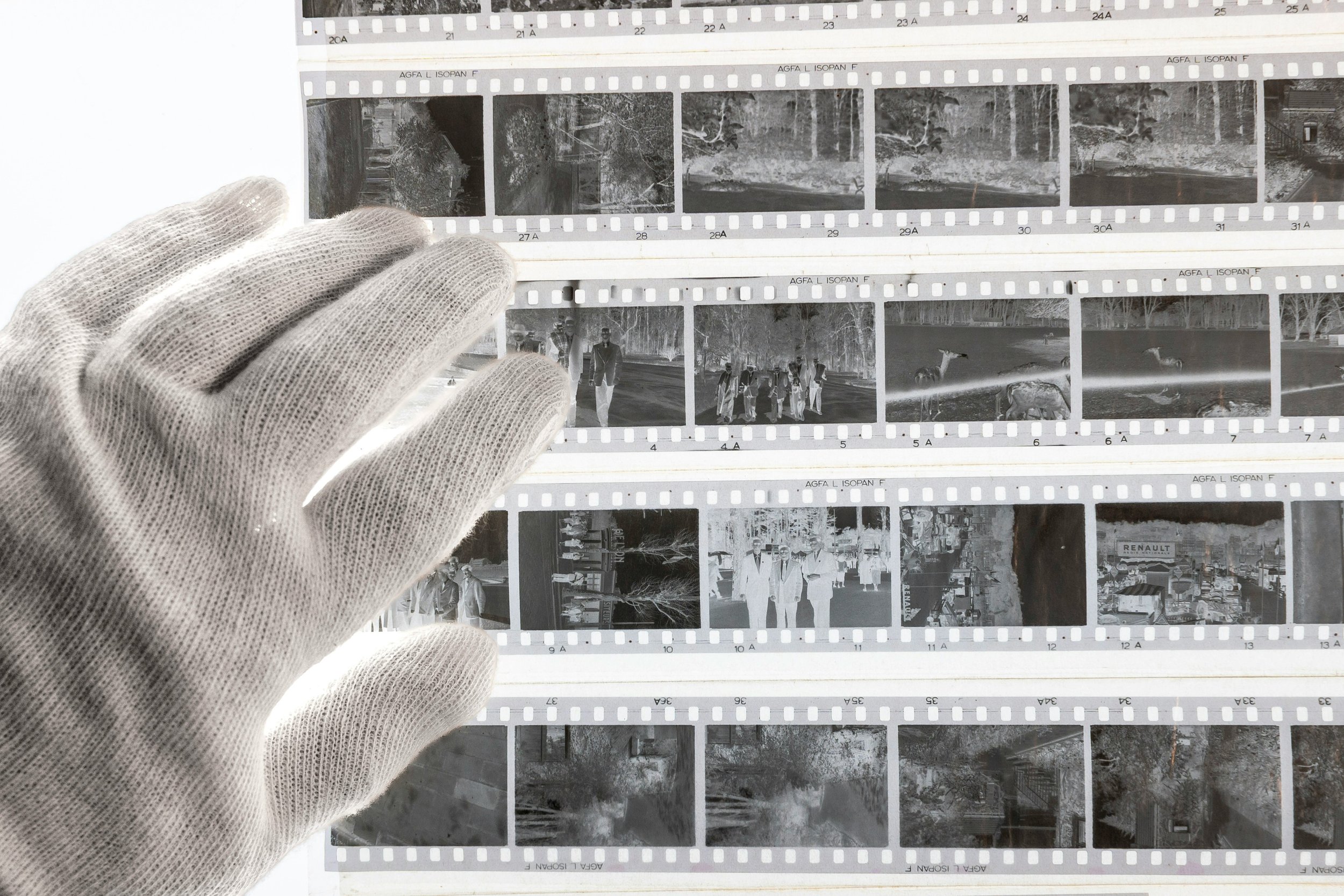
When we think of history, we often imagine books, letters, and official records. However, much of the past is captured not in words but in images. Photographs, paintings, drawings, films, and even today’s social media posts all serve as windows into moments that written records cannot fully convey. For researchers, these visual resources are both powerful and problematic; they reveal details that are otherwise invisible, but they also require careful interpretation.

Utilizing Archival Finding Aids for Research

Utilizing Archival Finding Aids for Research

Primary sources are the lifeblood of historical research. Letters, diaries, photographs, government records, organizational files, and countless other documents provide firsthand evidence of the past. However, anyone who has walked into an archives knows that primary sources are not arranged like books on a library shelf. Instead, they are preserved in their original context, often in boxes and folders, accompanied by tools that help researchers navigate them.