

Honoring Cultural Protocols in Archival Practice

Honoring Cultural Protocols in Archival Practice

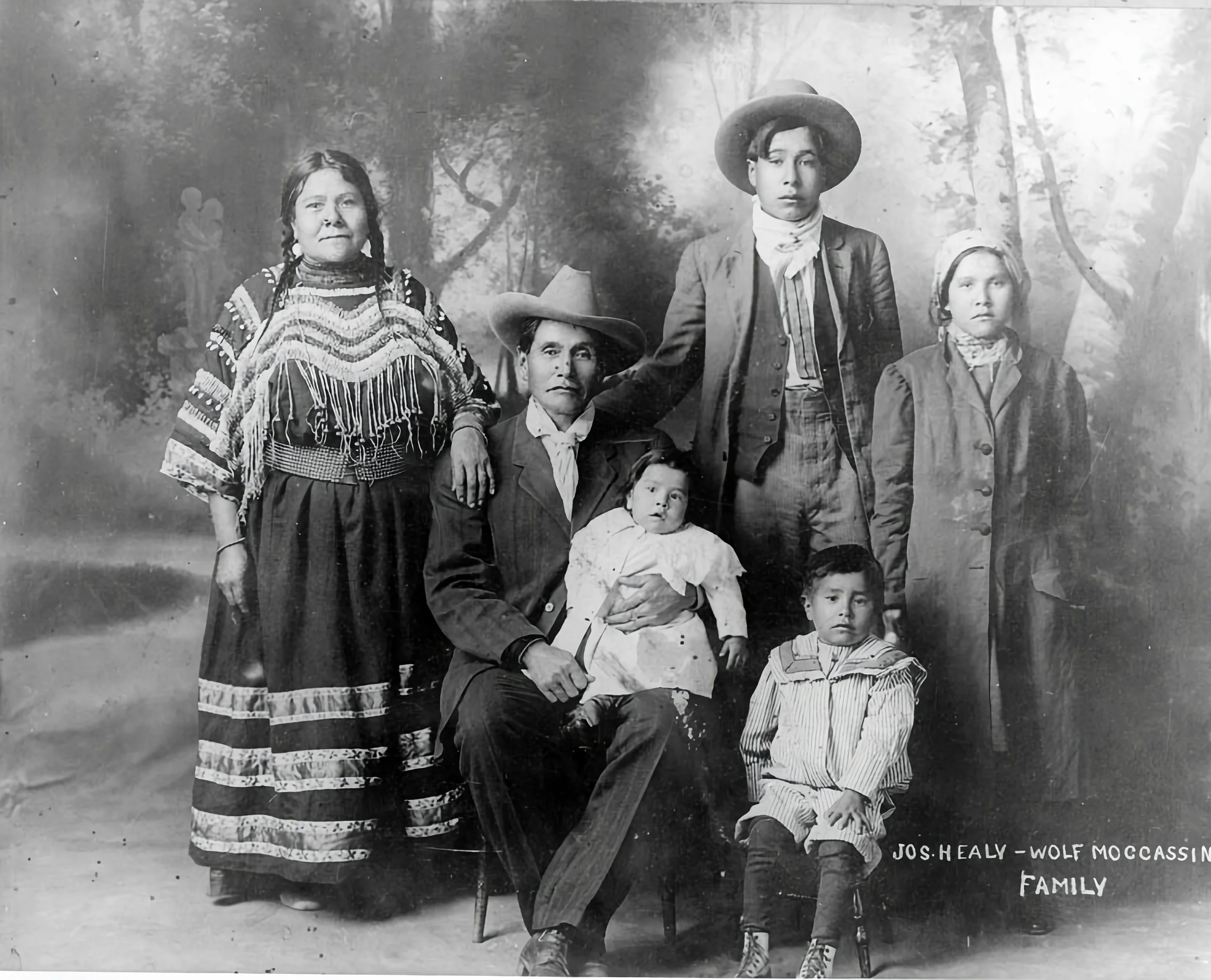
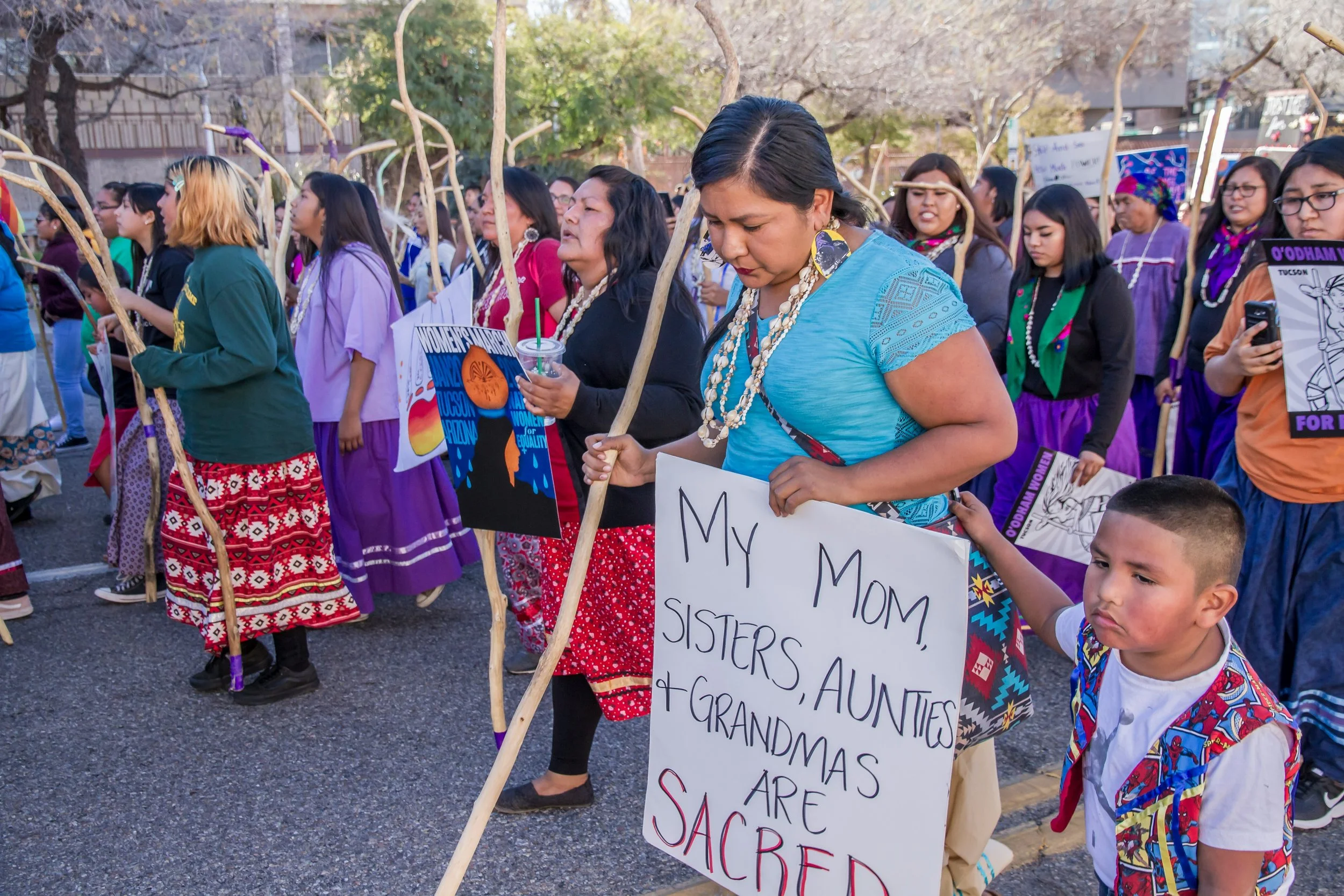
As the archival profession reckons with the legacies of colonialism, more institutions and practitioners are turning toward Indigenous and decolonial approaches that reframe traditional archival practice. Central to this shift is recognizing cultural protocols and community-defined rules governing how knowledge is created, shared, accessed, and preserved. Cultural protocols are foundational to ethical, respectful, and reciprocal relationships between archives and Indigenous communities.  

Decolonial Approaches to Indigenous Knowledge

Decolonial Approaches to Indigenous Knowledge

In recent decades, Indigenous communities and archivists have challenged the dominant frameworks that have long shaped archival practice. Traditionally, Western archival models have prioritized state authority, institutional control, and the presumption of neutrality. These models often fail to reflect Indigenous worldviews, community needs, or the rights of Indigenous peoples over their records and heritage.  

The Ethical Use of Born-Digital Materials in Archives

The Ethical Use of Born-Digital Materials in Archives

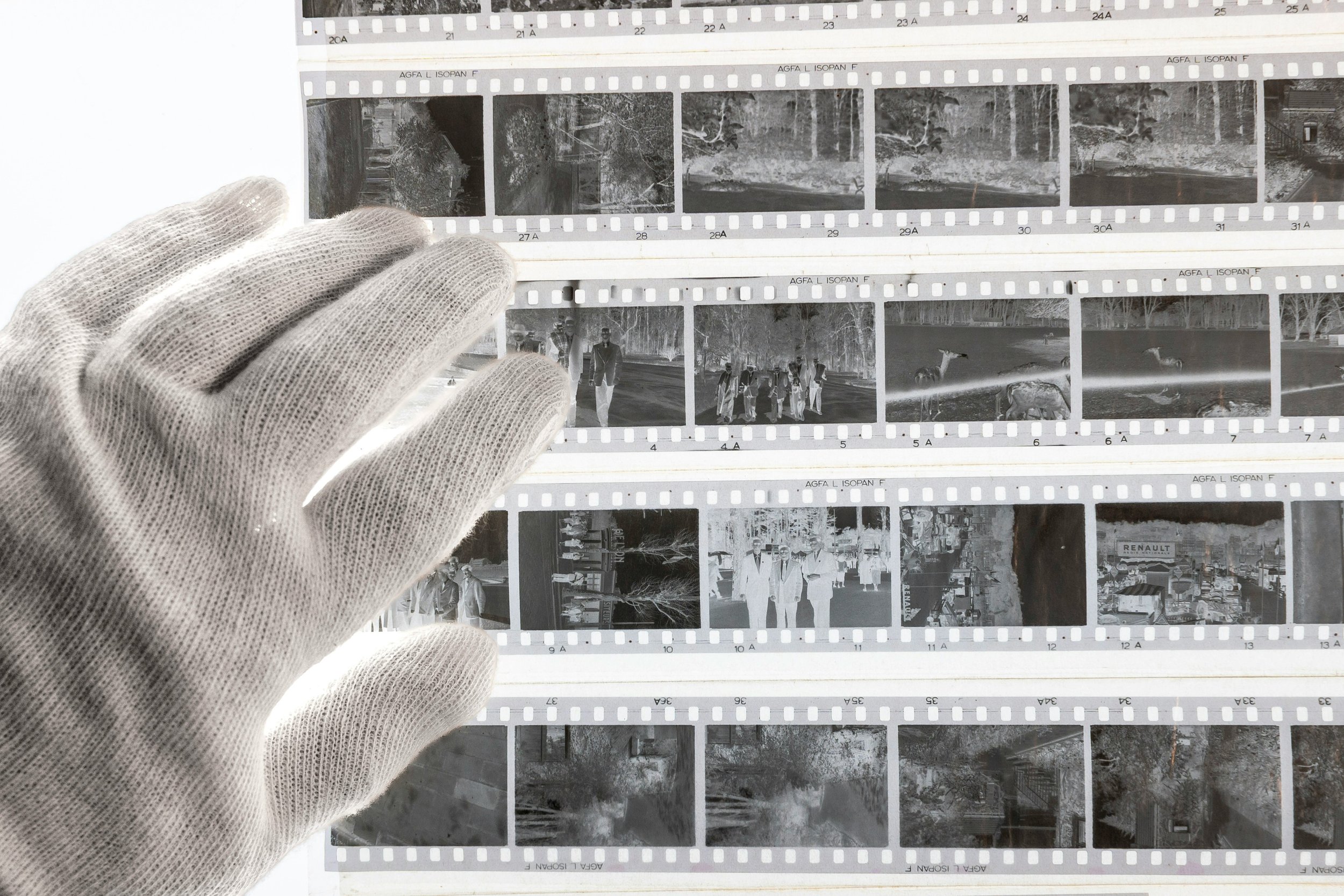
As archival practice shifts to meet the challenges of the digital age, the ethical use of born-digital materials has become one of the most pressing concerns for archivists. These materials—emails, websites, text messages, digital photographs, spreadsheets, social media posts, and more—are created and stored digitally from their inception.   

Tax-Deductible Treasures: The “Difficult Art” of Monetary Appraisal for Archives

Tax-Deductible Treasures: The “Difficult Art” of Monetary Appraisal for Archives

The monetary appraisal of archives and manuscripts is a critical yet underexplored intersection of library science and financial valuation. This article addresses the persistent knowledge gap between archival assessment and fiscal valuation and provides an overview of the monetary appraisal process in the United States. It focuses on concluding the fair market value (FMV) of noncash charitable contributions, a process governed by Internal Revenue Service (IRS) regulations and the Uniform Standards of Professional Appraisal Practice (USPAP). By documenting practices and terminology, the article serves as a resource for archivists navigating the complexities of donor relations and institutional stewardship. It advocates for increased fiscal literacy within the archival profession, suggesting that an integrated understanding of market dynamics and stewardship costs is essential for the care and financial substantiation of collections.